Canada Restaurant Industry at a Turning Point: Immigration’s Role in Workforce Sustainability
January 2, 2026
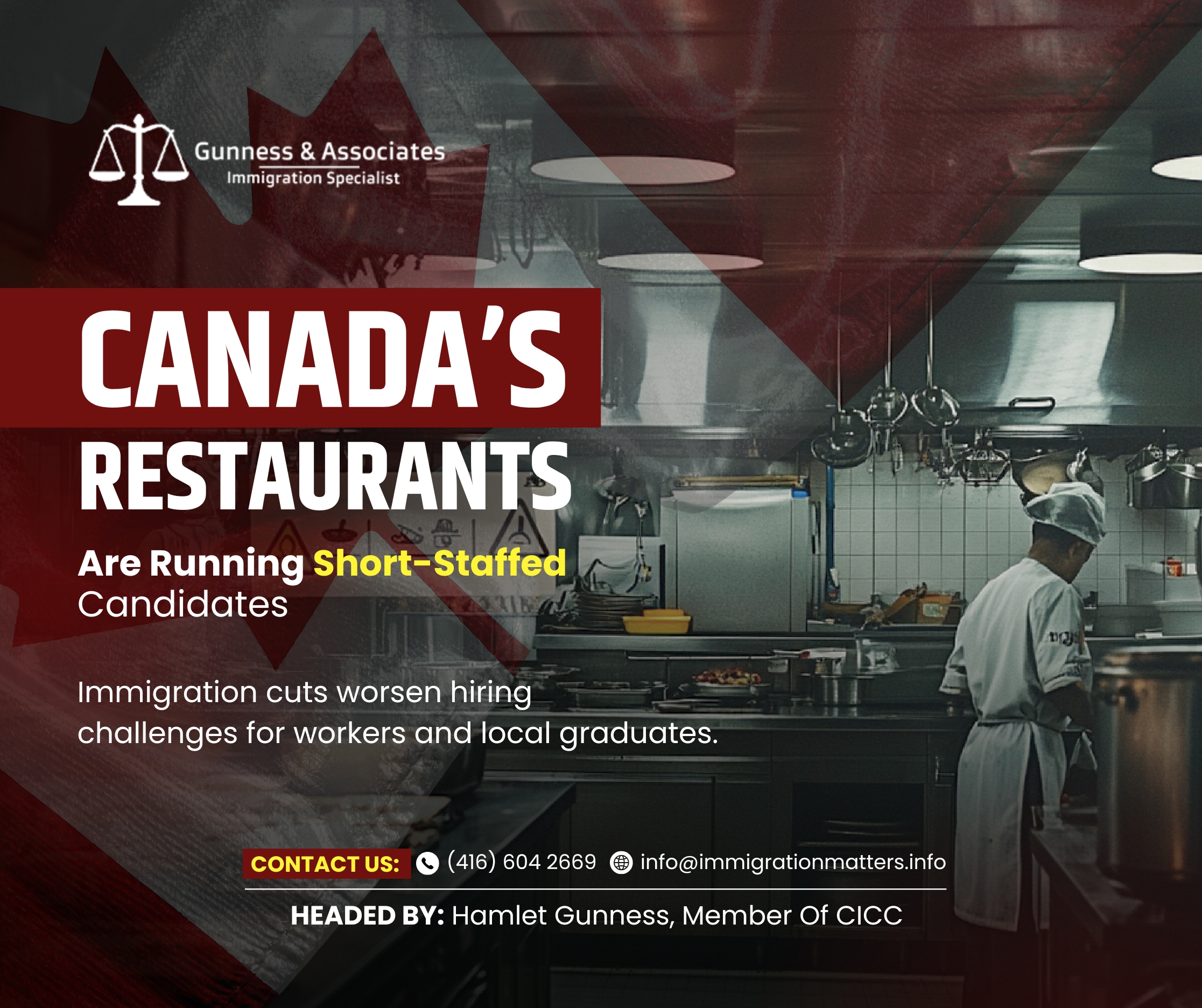
The Canada restaurant industry has always been an integral part of the country’s economy, contributing billions of dollars each year. It has also provided employment opportunities to hundreds of thousands of Canadians. As the industry is recovering, a reliable and skilled workforce is the key. The recent change in the federal immigration plan has raised an important discussion on how Canada can support industries dependent on foreign talent, such as the food service industry.
Immigration and the Backbone of Canada’s Restaurant Workforce
Immigration has been a crucial factor in providing Canada’s workforce with a much-needed boost. The Canada restaurant industry has been able to tap into not only the necessary skills but also the commitment and adaptability of immigrants. Currently, immigrants form a major part of employees in restaurants all across Canada.
In the Canada restaurant industry, several owners of these establishments are actually immigrants who clearly appreciate the importance of an open immigration policy. These entrepreneurs not only succeeded in creating businesses in Canada, which is already an accomplishment in itself, but they also provided employment opportunities for Canadians. These individuals consider the stability of the workforce in the Canada restaurant industry not only as an important factor affecting businesses but as essential.
Labour Demand Continues to Grow Across Provinces in the Canada Restaurant Industry
With this, Canada’s food service sector keeps developing along with population growth, tourism recovery, and changes in consumer habits. It is here that the urban centers, as well as the smaller communities, depend on restaurants as economic drivers and social cores of importance for such growth. As demand rises, so too does the need for trained and reliable workers who can grow with the industry and support long-term business sustainability.
Labour market information from more than one province indicates that food service jobs continue to be in demand. In the Canada restaurant industry , positions like cooks, food service supervisors, restaurant managers, and kitchen helpers are constantly included in the jobs that are hard to fill. This persistent demand strengthens the reasons for immigration programming that aligns with actual labour market needs, ensuring a stable workforce and continued economic contribution.
Pathways That Support Long-Term Workforce Stability
One of the most important aspects of Canada’s immigration system is its ability to convert temporary work experience into permanent residency. For the restaurant sector, this pathway allows employers to retain experienced staff while giving workers the opportunity to settle permanently, build families, and contribute more deeply to Canadian society.
Programs under the Provincial Nominee Program (PNP), Express Entry, and employer-driven pathways have historically helped bridge labour gaps while supporting economic integration. When workers see a future in Canada, retention improves, training investments pay off, and businesses gain stability.
A Strategic Opportunity for Policy Alignment
As Canada refines its immigration approach for the coming years, there is a growing opportunity to ensure that workforce-driven industries remain supported. Industry leaders continue to advocate for targeted solutions, such as sector-specific pathways, regional immigration streams, and employer-supported permanent residency options.
For the restaurant industry, strategic immigration planning can help maintain operational continuity while supporting Canada’s broader economic objectives. By focusing on skills, experience, and long-term contribution, immigration policies can continue to serve both employers and workers effectively.
What This Means for Employers and Foreign Workers?
For restaurant employers, now is the time to plan proactively. Understanding available immigration pathways, workforce planning strategies, and compliance requirements can make a significant difference. Early preparation allows businesses to retain key staff, minimize disruptions, and remain competitive in a changing market.
For foreign workers and international graduates already working in Canada’s food service sector, staying informed is equally important. With the right guidance, many workers can transition from temporary status to permanent residency through well-structured programs aligned with their experience and location.
Professional Immigration Guidance Makes the Difference
Navigating Canada’s immigration system can be complex, especially as policies evolve. This is where professional immigration support becomes invaluable. Experienced immigration consultants help employers and workers identify the most suitable programs, prepare strong applications, and avoid costly delays or refusals.
By taking a strategic and informed approach, businesses can protect their workforce, and workers can secure their future in Canada—creating a win-win outcome for the industry and the economy.
Looking Ahead
Canada’s restaurant industry remains resilient, diverse, and full of opportunity. With thoughtful immigration planning and targeted policy support, the sector can continue to thrive while meeting labour market needs responsibly. Immigration has always been part of Canada’s success story—and with the right approach, it will continue to be a driving force for sustainable growth.
If you want to know more details about “Canada Restaurant Industry at a Turning Point: Immigration’s Role in Workforce Sustainability“ you can contact one of our immigration specialists at Gunness & Associates.
Gunness & Associates has helped thousands of people successfully immigrate to Canada with their families. Our skilled and experienced immigration experts have the expertise to accurately examine your case and advise you on the best method of proceeding to serve your needs.
For Honest And Straightforward Advice, Contact The Experts
Get a Free Assessment
All rights reserved ©2025 Gunness & Associates